An Essay That Makes You Visible
What I Offer
I advise exceptional students applying to highly selective colleges on essays that make the person behind the application visible. I work one-on-one with a small number of students each year, in person or on Zoom.
- One-on-one advising
- In-person or on Zoom
- 8–15 sessions
My Promise
After working with me, the final essay will sound unmistakably like the student and will reveal something the rest of the application could not. It makes the student easier to see, remember and advocate for in the committee room.
Schedule a Conversation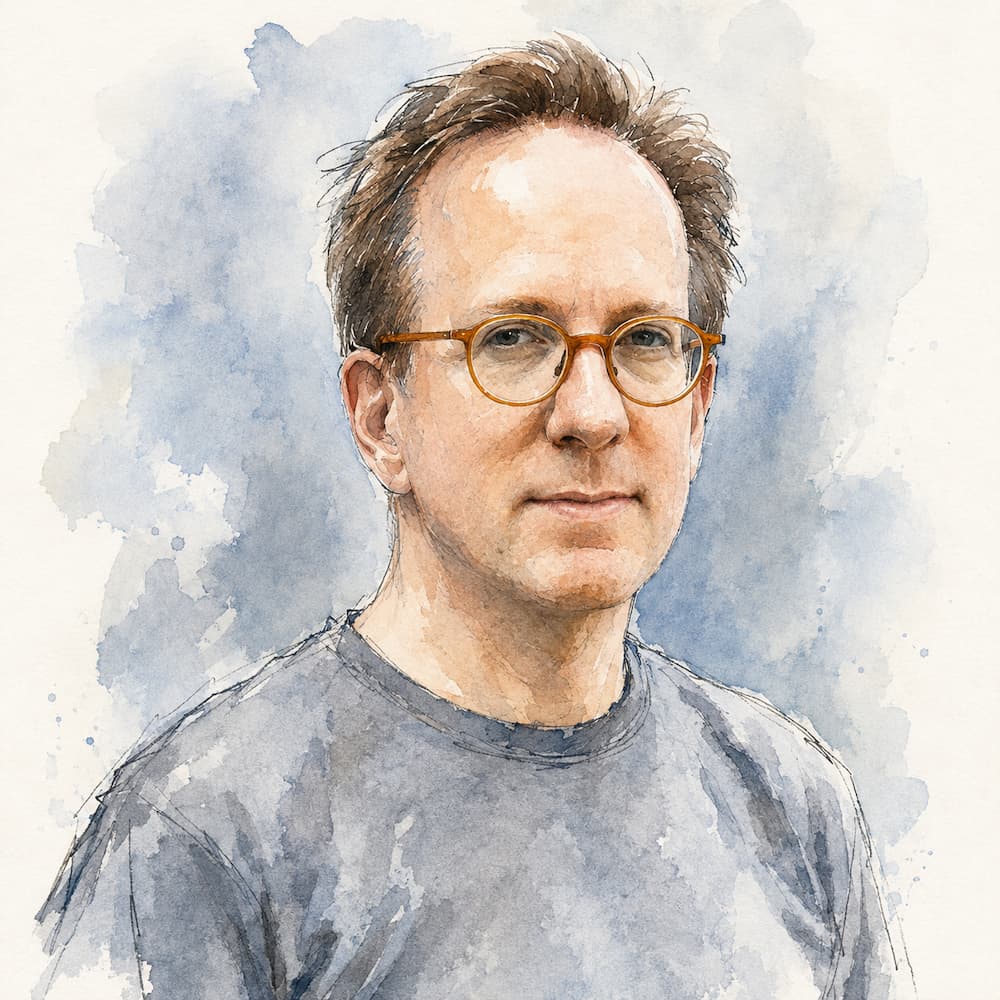
Robert Bullock is a Brooklyn-based college essay coach and admissions advisor who helps exceptional students develop personal statements and supplemental essays for highly selective colleges.
Dear parents and students,
Exceptional students applying to the most selective colleges already have excellence. What their applications need is distinction. I help them see what is already there — and make it visible on the page.
The problem is rarely that these students lack impressive material. It is that their most revealing qualities seem too obvious, too ordinary or too close at hand to mention.
The solution is often hiding in plain sight. My work is to help them recognize it, understand what it reveals, and make it visible on the page.
I spent years on the Cornell faculty, where I also served on the admissions committee. I know what readers see, what they miss, which essays a committee argues about, and which it forgets.

Robert Bullock
Is this right for us?
What kind of students do you work with?
Strong students applying to highly selective colleges — the ones whose records are already excellent and whose applications now need to show who they are.
Students aiming for less selective schools generally don't need this level of work. I'll say so if I think that's the case.
How is this different from what our school counselor or English teacher provides?
Counselors and English teachers both do work I couldn't do. Neither is set up for this kind of sustained, intensive attention.
A counselor may be responsible for hundreds of students. Sustained one-on-one attention over months isn't possible at that ratio, however good the counselor.
English teachers face a different constraint. They grade to rubrics designed to be fair across a large class, which means checking that nothing has gone wrong. Too often, that leads to essays that are well organized, grammatically correct, and empty. This isn't a failure of teaching — the assignment was built to do something else.
Admissions committees aren't grading. They're deciding whom to admit and how to assemble a class, and that requires seeing a person.
How do I know if this is right for my child?
The work asks a student to think seriously, talk honestly, and revise. That's a larger request than it sounds, and much of it happens in conversation, before there is anything to write.
Our first conversation is as much about fit as anything else. I'll be honest if I don't think we're a match. Families suited to this work usually know fairly quickly.
What if my child doesn't think they have a good story?
Almost every student starts there. They assume their lives are too ordinary, too lucky, or too familiar to write about, and they're almost always wrong.
The work isn't to manufacture drama. It's to find the meaning in what's already there — the things a student has done, wondered about, avoided, or kept returning to. The material has usually been sitting in plain sight, looking too ordinary to mention.
Process
When should we start?
Most students begin the spring or summer before senior year. Earlier is better, but later starts can work. Most of my students apply Early Decision, so a mid-summer start usually makes sense.
What matters more than the calendar is having room to think. Strong essays take multiple conversations, multiple drafts, and time in between. The best work rarely happens under deadline pressure.
How many sessions, and what does it cover?
A typical engagement runs 8–15 sessions over 3–6 months. The range reflects real differences between students. Some arrive knowing roughly what they want to say and need help finding the best version of it. Most need more time in the discovery and interpretation phases before we begin writing.
I cover the Common App personal statement and the supplemental essays for the schools included in the engagement. I also advise on how to help recommendation writers produce specific, useful letters.
Sessions are the visible part. Between them, the student is thinking, drafting, and revising, and that's where most of the work happens.
How do parents fit in?
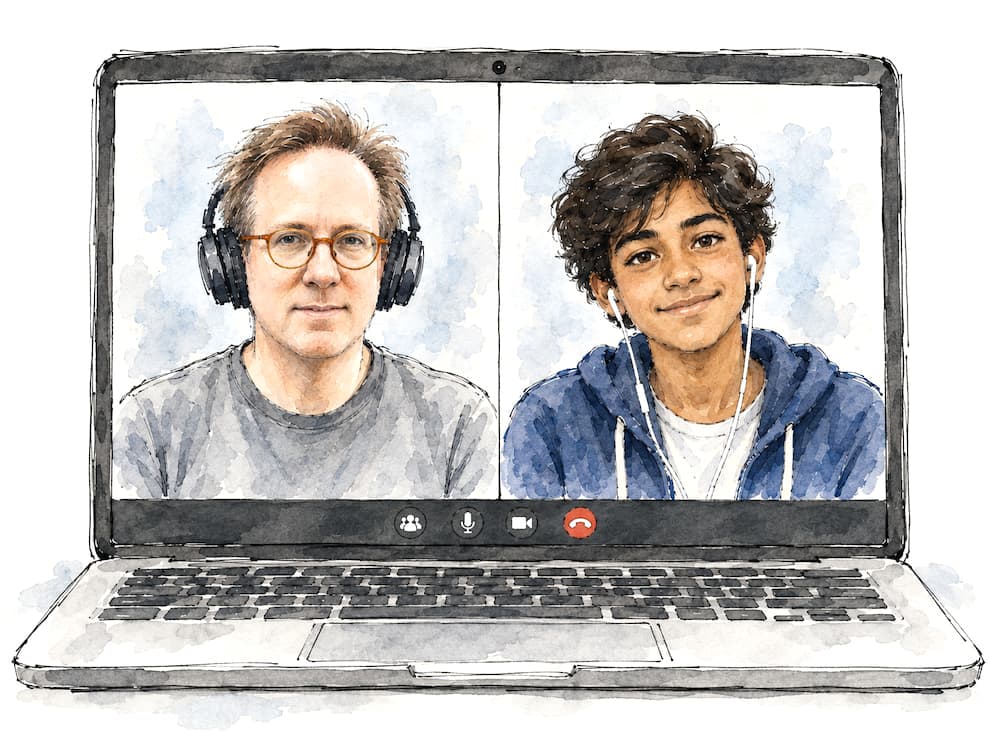
I begin with a conversation with parents, then one that includes the student. After that I usually work with the student alone. One-on-one makes frank, unhurried conversation possible.
Parents are partners in the process, but the essay belongs to the student.

What I Do and Don't Do
Do you write the essays? What about AI?
I don't ghostwrite, and when families ask, I decline. Beyond the question of integrity, it doesn't work: an essay that doesn't sound like the student undermines everything else in the application.
I also ask students not to use AI at any stage of their writing. The result is the same — prose and thinking that aren't theirs. Admissions readers are seeing a great deal of it, and it reads as what it is.
Do you guarantee admission?
No, and no one can.
What I offer is close, sustained attention from someone who has taught students for decades and evaluated applications from the other side of the desk. The outcome I can promise isn't an admissions decision. It's the strongest and most honest version of what the student actually thinks.

Practical Details
What do you charge?
Fees depend on the scope and timing of the engagement. After our initial conversation, I send a written proposal explaining the fee and exactly what it covers.
Will my child work directly with you?
Yes, I work personally with every student and take on only a small number each year. That allows me to give each one my full attention.
Where are you based? Do you work remotely?
I'm based in New York City and work with students both in person and remotely. My students come from all over the world.